Assistant Professor Ben Harvey at our center co-authored a study published in Science Advances examining how the seasonal timing of marine heatwaves influences temperature-dependent growth performance. The study highlights the importance of considering seasonal temperature conditions when assessing the impacts of marine heatwaves on marine organisms.
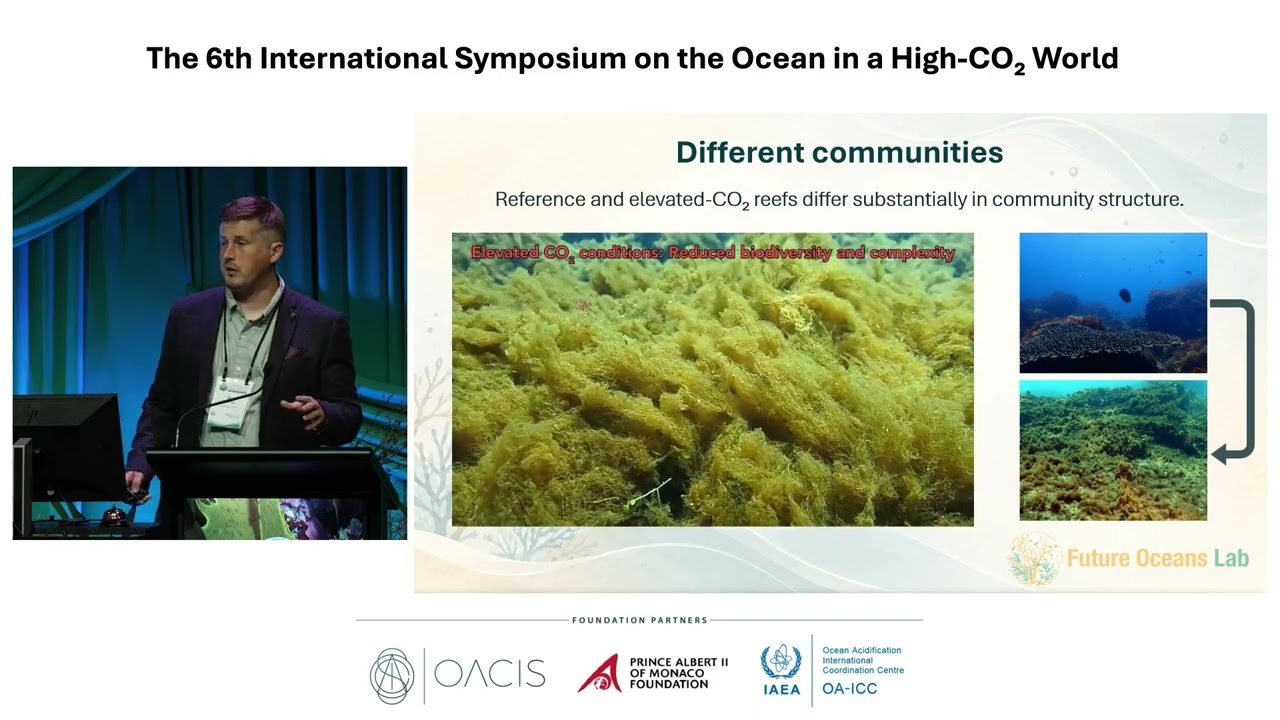
Assistant Professor Ben Harvey at our center delivered a keynote presentation at the 6th International Symposium on the Ocean in a High-CO₂ World. The symposium brought together international researchers investigating ocean acidification and its impacts on marine organisms and ecosystems. A recording of the keynote presentation is available online.
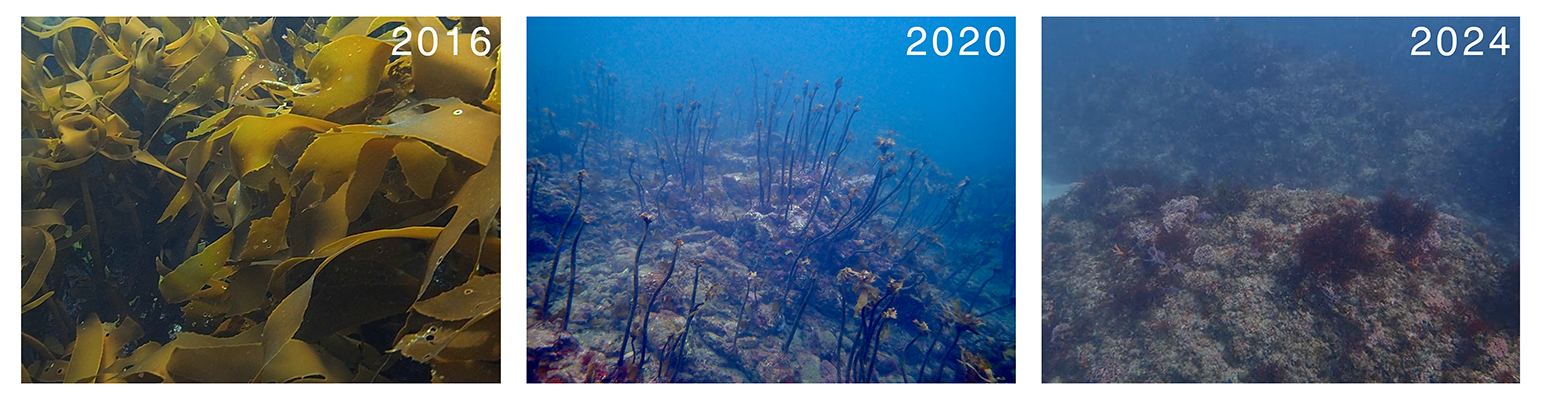
Assistant Professor Ben Harvey at our center led a study published in Global Change Biology, showing how unprecedented ocean warming and increased herbivory have driven the collapse of kelp forests along Japan's Izu Peninsula.
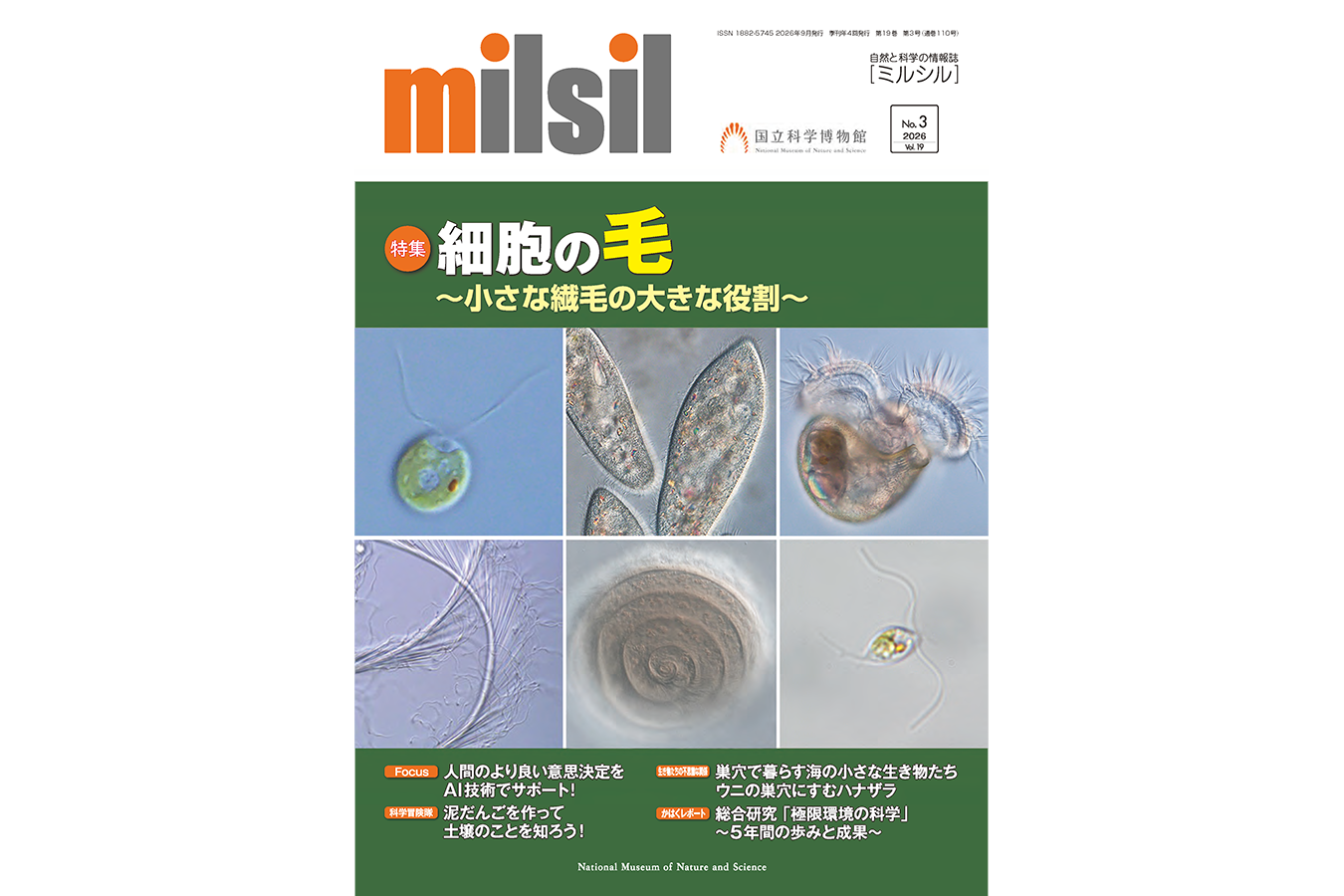
Professor Kazuo Inaba supervised a special issue “Cell Hair–big roles of tiny cilia” in the magazine milsil, publiished by National Museum of Nature and Science in September 2026.
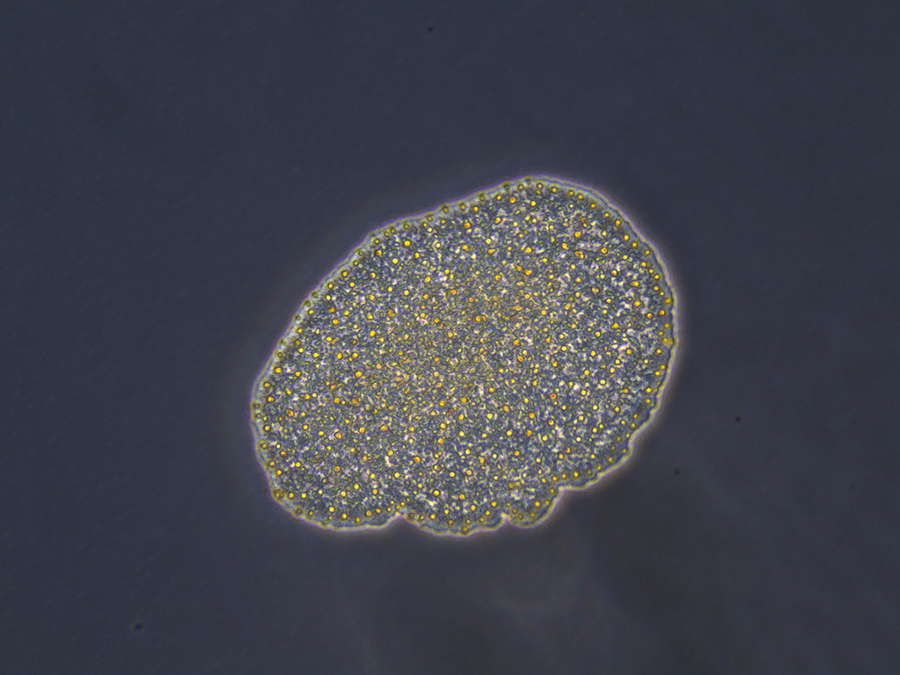
Associate Professor Hiroaki Nakano at our center co-authored a study published in Current Biology. Previously, monoamine signaling systems—such as those involving serotonin and dopamine—were thought to exist only in bilaterians. This study demonstrates the presence of monoamine signaling systems in the non-bilaterian placozoans, suggesting that the origin of these systems predates the emergence of bilaterians.
The Center will hold an open course for high school students based in Japan, "Introduction to Marine Biology," from Tuesday, July 28 to Friday, July 31, 2026. This course is designed to open the Center, a facility for education and research on the marine environment and its organisms, to high school students so that they can experience and learn about the marine environment and the diverse organisms that inhabit it from a variety of perspectives.
Those who wish to take the course are requested to send the documents below to the University of Tsukuba Shimoda Marine Research Center by post no later than Tuesday, June 30, 2026.
If there are too many applicants, the University will make a selection and notify you of the result.