職員
← 職員一覧に戻る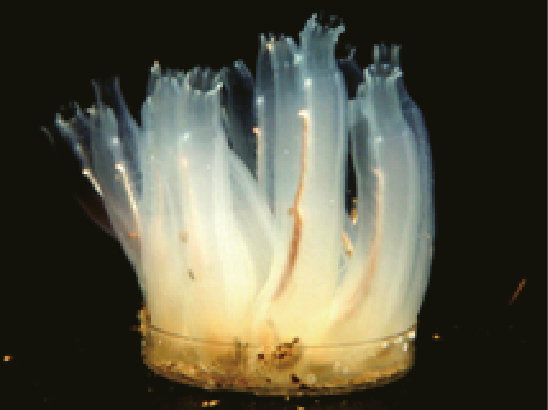
Ciona intestinalis
笹倉靖徳
ホヤは我々脊椎動物にもっとも近い無脊椎動物です。ホヤの1種で、ゲノム情報が整備され遺伝子操作の各種方法論が確立しているカタユウレイボヤを用いて、体が作られていく際の遺伝子機能の解明に取り組んでいます。特に、ホヤがオタマジャクシ型幼生から固着性の成体へと体の形を大きく変化させる「変態」の仕組みに注目して研究しています。また、カタユウレイボヤの遺伝子組換え技術やゲノム編集技術を用いて研究に利用される各種のトランスジェニック系統や突然変異体系統を作出し、これらの有用系統を世界中の研究者に提供するナショナルバイオリソース事業にも従事しています。
発表論文
2026
- Kawamorita H., Fujiwara H., Fujita K., Hozumi A., Udagawa S., Yoshida R., Kiyomoto M., Sasakura Y. & Ogasawara M. (2026). Possible functional origin of TPO-like genes in chordates revealed by their pleiotropic expression and disturbed phenomena in protochordates. Cell and Tissue Research, 403(1), 7.
2025
- Fujiwara H., Nakayama S., Iguchi R., Sekiguchi T., Sasakura Y., Kiyomoto M. & Ogasawara M. (2025). Non-Contiguous and Multi-Regional Expression of Pancreas-Related Genes along the Lancelet Gut. Zoological Science, 43(1).
- Hozumi A., Totsuka N.M., Onodera A., Wang Y., Hamada M., Shiraishi A., Satake H., Horie T., Hotta K. & Sasakura Y. (2025). Stimulatory and inhibitory G-protein signaling relays drive cAMP accumulation for timely metamorphosis in the chordate Ciona. eLife, 13, RP99825.
- Kuroiwa K., Mita-Yoshida K., Hamada M., Hozumi A., Nishino A.S. & Sasakura Y. (2025). Tunicate-specific protein Epi-1 is essential for conferring hydrophilicity to the larval tunic in the ascidian Ciona. Developmental Biology, 520, 41-52.
- Saito R., Hyodo T., Kamakura N., Fujikake Y., Nishino J.M., Sasakura Y., Nishino A.S. & Fujiwara S. (2025). Hox3 Is Required for Post‐Metamorphic Heart Development in Adult Ciona. Development, Growth & Differentiation, 67(9), 500-515.
- Sasakura Y., Sunanaga T., Onuma T.A. & Satake H. (2025). Germ cell formation and reproduction in tunicates. Developmental Biology, 527, 226-249.
2024
- Krasovec G., Renaud C., Quéinnec É., Sasakura Y. & Chambon J.P. (2024). Extrinsic apoptosis participates to tail regression during the metamorphosis of the chordate Ciona. Scientific Reports, 14(1), 5729.
- Sasakura Y., Yuzawa N., Yamasako J., Mori K., Horie T. & Nonaka M. (2024). Environment-mediated vertical transmission fostered uncoupled phylogenetic relationships between longicorn beetles and their symbionts. Zoological Science, 41(4), 363-376.
- Satake H. & Sasakura Y. (2024). The neuroendocrine system of Ciona intestinalis Type A, a deuterostome invertebrate and the closest relative of vertebrates. Molecular and Cellular Endocrinology, 582, 112122.
- Taniguchi S., Nakayama S., Iguchi R., Sasakura Y., Satake H., Wada S., Suzuki N., Ogasawara M. & Sekiguchi T. (2024). Distribution of cionin, a cholecystokinin/gastrin family peptide, and its receptor in the central nervous system of Ciona intestinalis type A. Scientific Reports, 14(1), 6277.
2023
- Iguchi R., Usui K., Nakayama S., Sasakura Y., Sekiguchi T. & Ogasawara M. (2023). Multi-regional expression of pancreas-related digestive enzyme genes in the intestinal chamber of the ascidian Ciona intestinalis type A. Cell and Tissue Research, 394(3), 423-430.
- Iguchi R., Nakayama S., Sasakura Y., Sekiguchi T. & Ogasawara M. (2023). Repetitive and zonal expression profiles of absorption-related genes in the gastrointestinal tract of ascidian Ciona intestinalis type A. Cell and Tissue Research, 394(2), 343-360.
- Kijima T., Kurokawa D., Sasakura Y., Ogasawara M., Aratake S., Yoshida K. & Yoshida M. (2023). CatSper mediates not only chemotactic behavior but also the motility of ascidian sperm. Frontiers in Cell and Developmental Biology, 11, 1136537.
- Sakai T., Yamamoto T., Watanabe T., Hozumi A., Shiraishi A., Osugi T., Matsubara S., Kawada T., Sasakura Y., Takahashi T. & Satake H. (2023). Characterization of a novel species-specific 51-amino acid peptide, PEP51, as a caspase-3/7 activator in ovarian follicles of the ascidian, Ciona intestinalis Type A. Frontiers in Endocrinology, 14, 1260600.
- Sasakura Y. & Horie T. (2023). Improved Genome Editing in the Ascidian Ciona with CRISPR/Cas9 and TALEN. In Hatada I. (Ed.), Genome Editing in Animals (pp. 375-388). New York, NY: Springer US.
- Totsuka N.M., Kuwana S., Sawai S., Oka K., Sasakura Y. & Hotta K. (2023). Distribution changes of non‐self‐test cells and self‐tunic cells surrounding the outer body during Ciona metamorphosis. Developmental Dynamics, 252(11), 1363-1374.
- Treen N., Konishi S., Nishida H., Onuma T.A. & Sasakura Y. (2023). Zic-r.b controls cell numbers in Ciona embryos by activating CDKN1B. Developmental Biology, 498, 26-34.
2022
- Chacha P.P., Horie R., Kusakabe T.G., Sasakura Y., Singh M., Horie T. & Levine M. (2022). Neuronal identities derived by misexpression of the POU IV sensory determinant in a protovertebrate. Proceedings of the National Academy of Sciences, 119(4), e2118817119.
- Khalturin K., Shunatova N., Shchenkov S., Sasakura Y., Kawamitsu M. & Satoh N. (2022). Polyzoa is back: The effect of complete gene sets on the placement of Ectoprocta and Entoprocta. Science Advances, 8(26), eabo4400.
- Krasovec G., Hozumi A., Yoshida T., Obita T., Hamada M., Shiraishi A., Satake H., Horie T., Mori H. & Sasakura Y. (2022). d-Serine controls epidermal vesicle release via NMDA receptor, allowing tissue migration during the metamorphosis of the chordate Ciona. Science Advances, 8(10), eabn3264.
- Sakamoto A., Hozumi A., Shiraishi A., Satake H., Horie T. & Sasakura Y. (2022). The TRP channel PKD2 is involved in sensing the mechanical stimulus of adhesion for initiating metamorphosis in the chordate Ciona. Development, Growth & Differentiation, 64(7), 395-408.
- Yamagishi M., Huang T., Hozumi A., Onuma T.A., Sasakura Y. & Ogasawara M. (2022). Differentiation of endostyle cells by Nkx2-1 and FoxE in the ascidian Ciona intestinalis type A: insights into shared gene regulation in glandular- and thyroid-equivalent elements of the chordate endostyle. Cell and Tissue Research.
- Yamakawa S., Hayashi Y., Kako K., Sasakura Y., Morino Y. & Wada H. (2022). Mechanism underlying retinoic acid-dependent metamorphosis in the starfish. Developmental Biology, 492, 119-125.
2021
- Kawada T., Shiraishi A., Matsubara S., Hozumi A., Horie T., Sasakura Y. & Satake H. (2021). Vasopressin Promoter Transgenic and Vasopressin Gene-Edited Ascidian, Ciona intestinalis Type A (Ciona robusta): Innervation, Gene Expression Profiles, and Phenotypes. Frontiers in Endocrinology, 12, 668564.
- Onuma T.A., Nakanishi R., Sasakura Y. & Ogasawara M. (2021). Nkx2-1 and FoxE regionalize glandular (mucus-producing) and thyroid-equivalent traits in the endostyle of the chordate Oikopleura dioica. Developmental Biology, 477, 219-231.
- Sasakura Y. & Harvey B.P. (2021). Institute Profile: Shimoda Marine Research Center, University of Tsukuba. Limnology and Oceanography Bulletin, 30(3), 116-118.
2020
- Hozumi A., Matsunobu S., Mita K., Treen N., Sugihara T., Horie T., Sakuma T., Yamamoto T., Shiraishi A., Hamada M., Satoh N., Sakurai K., Satake H. & Sasakura Y. (2020). GABA-Induced GnRH Release Triggers Chordate Metamorphosis. Current Biology, 30(8), 1555-1561.e4.
- Osugi T., Sasakura Y. & Satake H. (2020). The ventral peptidergic system of the adult ascidian Ciona robusta (Ciona intestinalis Type A) insights from a transgenic animal model. Scientific Reports, 10(1), 1892.
- Sawada H., Yamamoto K., Yamaguchi A., Yamada L., Higuchi A., Nukaya H., Fukuoka M., Sakuma T., Yamamoto T., Sasakura Y. & Shirae-Kurabayashi M. (2020). Three multi-allelic gene pairs are responsible for self-sterility in the ascidian Ciona intestinalis. Scientific Reports, 10(1), 2514.
- Tajima Y., Hozumi A., Yoshida K., Treen N., Sakuma T., Yamamoto T. & Sasakura Y. (2020). Hox13 is essential for formation of a sensory organ at the terminal end of the sperm duct in Ciona. Developmental Biology, 458(1), 120-131.
- Yaguchi S., Morino Y. & Sasakura Y. (2020). Development of Marine Invertebrates. In Inaba K. & Hall-Spencer J.M. (Eds.), Japanese Marine Life (pp. 109-124). Singapore: Springer Singapore.
- Yamaji S., Hozumi A., Matsunobu S. & Sasakura Y. (2020). Orchestration of the distinct morphogenetic movements in different tissues drives tail regression during ascidian metamorphosis. Developmental Biology, 465(1), 66-78.
2018
- Horie T., Horie R., Chen K., Cao C., Nakagawa M., Kusakabe T.G., Satoh N., Sasakura Y. & Levine M. (2018). Regulatory cocktail for dopaminergic neurons in a protovertebrate identified by whole-embryo single-cell transcriptomics. Genes & Development, 32(19-20), 1297-1302.
- Sasakura Y. (2018). Cellulose production and the evolution of the sessile lifestyle in ascidians. Sessile Organisms, 35(2), 21-29.
- Sasakura Y. & Hozumi A. (2018). Formation of adult organs through metamorphosis in ascidians. WIREs Developmental Biology, 7(2).
- Sasakura Y. (2018). Germline Transgenesis in Ciona. In Sasakura Y. (Ed.), Transgenic Ascidians (pp. 109-119). Singapore: Springer Singapore.
- Sasakura Y. (2018). The Enhancer Trap in Ciona. In Sasakura Y. (Ed.), Transgenic Ascidians (pp. 121-129). Singapore: Springer Singapore.
- Satoh T., Iitsuka T., Shiraishi A., Hozumi A., Satake H. & Sasakura Y. (2018). piRNA-like small RNAs are responsible for the maternal-specific knockdown in the ascidian Ciona intestinalis Type A. Scientific Reports, 8(1), 5869.
2017
- Ogura Y. & Sasakura Y. (2017). Emerging mechanisms regulating mitotic synchrony during animal embryogenesis. Development, Growth & Differentiation, 59(7), 565-579.
- Osugi T., Sasakura Y. & Satake H. (2017). The nervous system of the adult ascidian Ciona intestinalis Type A (Ciona robusta): Insights from transgenic animal models. PLOS ONE, 12(6), e0180227.
- Sasakura Y., Yoshida K. & Treen N. (2017). Genome Editing of the Ascidian Ciona intestinalis with TALE Nuclease. In Hatada I. (Ed.), Genome Editing in Animals (pp. 235-245). New York, NY: Springer New York.
- Yoshida K., Nakahata A., Treen N., Sakuma T., Yamamoto T. & Sasakura Y. (2017). Hox -mediated endodermal identity patterns the pharyngeal muscle formation in the chordate pharynx. Development, dev.144436.
- Yoshida K., Hozumi A., Treen N., Sakuma T., Yamamoto T., Shirae-Kurabayashi M. & Sasakura Y. (2017). Germ cell regeneration-mediated, enhanced mutagenesis in the ascidian Ciona intestinalis reveals flexible germ cell formation from different somatic cells. Developmental Biology, 423(2), 111-125.
2016
- Brozovic M., Martin C., Dantec C., Dauga D., Mendez M., Simion P., Percher M., Laporte B., Scornavacca C., Di Gregorio A., Fujiwara S., Gineste M., Lowe E.K., Piette J., Racioppi C., Ristoratore F., Sasakura Y., Takatori N., Brown T.C., Delsuc F., Douzery E., Gissi C., McDougall A., Nishida H., Sawada H., Swalla B.J., Yasuo H. & Lemaire P. (2016). ANISEED 2015: a digital framework for the comparative developmental biology of ascidians. Nucleic Acids Research, 44(D1), D808-D818.
- Ogura Y. & Sasakura Y. (2016). Cell-cycle compensation coupled with developmental patterning. Cell Cycle, 15(20), 2685-2686.
- Ogura Y. & Sasakura Y. (2016). Developmental Control of Cell-Cycle Compensation Provides a Switch for Patterned Mitosis at the Onset of Chordate Neurulation. Developmental Cell, 37(2), 148-161.
- Sasakura Y., Ogura Y., Treen N., Yokomori R., Park S.J., Nakai K., Saiga H., Sakuma T., Yamamoto T., Fujiwara S. & Yoshida K. (2016). Transcriptional regulation of a horizontally transferred gene from bacterium to chordate. Proceedings of the Royal Society B: Biological Sciences, 283(1845), 20161712.
2015
- Hozumi A., Horie T. & Sasakura Y. (2015). Neuronal map reveals the highly regionalized pattern of the juvenile central nervous system of the ascidian Ciona intestinalis: Neuronal Map of Ciona Juvenile CNS. Developmental Dynamics, 244(11), 1375-1393.
- Iitsuka T., Mita K., Hozumi A., Hamada M., Satoh N. & Sasakura Y. (2015). Transposon-mediated targeted and specific knockdown of maternally expressed transcripts in the ascidian Ciona intestinalis. Scientific Reports, 4(1), 5050.
- Karaiskou A., Swalla B.J., Sasakura Y. & Chambon J.P. (2015). Metamorphosis in solitary ascidians: Metamorphosis in ascidians. genesis, 53(1), 34-47.
- Kawai N., Ogura Y., Ikuta T., Saiga H., Hamada M., Sakuma T., Yamamoto T., Satoh N. & Sasakura Y. (2015). Hox10-regulated endodermal cell migration is essential for development of the ascidian intestine. Developmental Biology, 403(1), 43-56.
- Matsunobu S. & Sasakura Y. (2015). Time course for tail regression during metamorphosis of the ascidian Ciona intestinalis. Developmental Biology, 405(1), 71-81.
- Satou Y., Hirayama K., Mita K., Fujie M., Chiba S., Yoshida R., Endo T., Sasakura Y., Inaba K. & Satoh N. (2015). Sustained Heterozygosity Across a Self-Incompatibility Locus in an Inbred Ascidian. Molecular Biology and Evolution, 32(1), 81-90.
- Stolfi A., Sasakura Y., Chalopin D., Satou Y., Christiaen L., Dantec C., Endo T., Naville M., Nishida H., Swalla B.J., Volff J.N., Voskoboynik A., Dauga D. & Lemaire P. (2015). Guidelines for the nomenclature of genetic elements in tunicate genomes: Nomenclature of Genetic Elements. genesis, 53(1), 1-14.
- Treen N. & Sasakura Y. (2015). Genome Editing in Ascidians. In Yamamoto T. (Ed.), Targeted Genome Editing Using Site-Specific Nucleases (pp. 107-117). Tokyo: Springer Japan.
2014
- Kamiya C., Ohta N., Ogura Y., Yoshida K., Horie T., Kusakabe T.G., Satake H. & Sasakura Y. (2014). Nonreproductive role of gonadotropin-releasing hormone in the control of ascidian metamorphosis: FUNCTIONS OF GNRH IN ASCIDIANS. Developmental Dynamics, 243(12), 1524-1535.
- Sasaki H., Yoshida K., Hozumi A. & Sasakura Y. (2014). CRISPR/Cas9-mediated gene knockout in the ascidian Ciona intestinalis. Development, Growth & Differentiation, 56(7), 499-510.
- Sasakura Y. (2014). Germline Transformation in the Ascidian Ciona intestinalis. In Sawada H., Inoue N. & Iwano M. (Eds.), Sexual Reproduction in Animals and Plants (pp. 465-473). Tokyo: Springer Japan.
- Treen N., Yoshida K., Sakuma T., Sasaki H., Kawai N., Yamamoto T. & Sasakura Y. (2014). Tissue-specific and ubiquitous gene knockouts by TALEN electroporation provide new approaches to investigating gene function in Ciona. Development, 141(2), 481-487.
- Yoshida K., Treen N., Hozumi A., Sakuma T., Yamamoto T. & Sasakura Y. (2014). Germ cell mutations of the ascidian Ciona intestinalis with TALE nucleases: germ cell mutagenesis in ciona. genesis, 52(5), 431-439.
2013
- 阪上(沢野)朝子, 阪上(沢野)朝子, 小椋陽介, 笹倉靖徳, 宮脇敦史 & 宮脇敦史 (2013). 新しいテクノロジーの台頭 1.ユビキチンオシレイターによる細胞周期可視化-細胞周期を四次元で理解する. 実験医学, 31(2), 308-315.
- Hozumi A., Yoshida R., Horie T., Sakuma T., Yamamoto T. & Sasakura Y. (2013). Enhancer activity sensitive to the orientation of the gene it regulates in the chordategenome. Developmental Biology, 375(1), 79-91.
- Hozumi A., Mita K., Miskey C., Mates L., Izsvak Z., Ivics Z., Satake H. & Sasakura Y. (2013). Germline transgenesis of the chordate Ciona intestinalis with hyperactive variants of sleeping beauty transposable element. Developmental Dynamics, 242(1), 30-43.
- Nakazawa K., Yamazawa T., Moriyama Y., Ogura Y., Kawai N., Sasakura Y. & Saiga H. (2013). Formation of the digestive tract in Ciona intestinalis includes two distinct morphogenic processes between its anterior and posterior parts: Digestive Tract of Ciona intestinalis. Developmental Dynamics, 242(10), 1172-1183.
- Ogura Y. & Sasakura Y. (2013). Ascidians as Excellent Models for Studying Cellular Events in the Chordate Body Plan. The Biological Bulletin, 224(3), 227-236.
- Sakuma T., Hosoi S., Woltjen K., Suzuki K.I., Kashiwagi K., Wada H., Ochiai H., Miyamoto T., Kawai N., Sasakura Y., Matsuura S., Okada Y., Kawahara A., Hayashi S. & Yamamoto T. (2013). Efficient TALEN construction and evaluation methods for human cell and animal applications. Genes to Cells, 18(4), 315-326.
- Suzuki M.M., Yoshinari A., Obara M., Takuno S., Shigenobu S., Sasakura Y., Kerr A.R., Webb S., Bird A. & Nakayama A. (2013). Identical sets of methylated and nonmethylated genes in Ciona intestinalis sperm and muscle cells. Epigenetics & Chromatin, 6(1), 38.
2012
- Kawai N., Ochiai H., Sakuma T., Yamada L., Sawada H., Yamamoto T. & Sasakura Y. (2012). Efficient targeted mutagenesis of the chordate Ciona intestinalis genome with zinc-finger nucleases. Development, Growth & Differentiation, 54(5), 535-545.
- Mita K., Kawai N., Rueckert S. & Sasakura Y. (2012). Large-scale infection of the ascidian Ciona intestinalis by the gregarine Lankesteria ascidiae in an inland culture system. Diseases of Aquatic Organisms, 101(3), 185-195.
- Nishitsuji K., Horie T., Ichinose A., Sasakura Y., Yasuo H. & Kusakabe T.G. (2012). Cell lineage and cis-regulation for a unique GABAergic/glycinergic neuron type in the larval nerve cord of the ascidian Ciona intestinalis: Neuron development in Ciona nerve cord. Development, Growth & Differentiation, 54(2), 177-186.
- Razy-Krajka F., Brown E.R., Horie T., Callebert J., Sasakura Y., Joly J.S., Kusakabe T.G. & Vernier P. (2012). Monoaminergic modulation of photoreception in ascidian: evidence for a proto-hypothalamo-retinal territory. BMC Biology, 10(1), 45.
- Sasakura Y., Mita K., Ogura Y. & Horie T. (2012). Ascidians as excellent chordate models for studying the development of the nervous system during embryogenesis and metamorphosis. Development, Growth & Differentiation, 54(3), 420-437.
- Sasakura Y., Kanda M., Ikeda T., Horie T., Kawai N., Ogura Y., Yoshida R., Hozumi A., Satoh N. & Fujiwara S. (2012). Retinoic acid-driven Hox1 is required in the epidermis for forming the otic/atrial placodes during ascidian metamorphosis. Development, 139(12), 2156-2160.
- Yoshida R. & Sasakura Y. (2012). Establishment of Enhancer Detection Lines Expressing GFP in the Gut of the Ascidian Ciona intestinalis. Zoological Science, 29(1), 11.
2011
- Endo T., Ueno K., Yonezawa K., Mineta K., Hotta K., Satou Y., Yamada L., Ogasawara M., Takahashi H., Nakajima A., Nakachi M., Nomura M., Yaguchi J., Sasakura Y., Yamasaki C., Sera M., Yoshizawa A.C., Imanishi T., Taniguchi H. & Inaba K. (2011). CIPRO 2.5: Ciona intestinalis protein database, a unique integrated repository of large-scale omics data, bioinformatic analyses and curated annotation, with user rating and reviewing functionality. Nucleic Acids Research, 39(Database), D807-D814.
- Hamada M., Shimozono N., Ohta N., Satou Y., Horie T., Kawada T., Satake H., Sasakura Y. & Satoh N. (2011). Expression of neuropeptide- and hormone-encoding genes in the Ciona intestinalis larval brain. Developmental Biology, 352(2), 202-214.
- Horie T., Shinki R., Ogura Y., Kusakabe T.G., Satoh N. & Sasakura Y. (2011). Ependymal cells of chordate larvae are stem-like cells that form the adult nervous system. Nature, 469(7331), 525-528.
- Ogura Y., Sakaue-Sawano A., Nakagawa M., Satoh N., Miyawaki A. & Sasakura Y. (2011). Coordination of mitosis and morphogenesis: role of a prolonged G2 phase during chordate neurulation. Development, 138(3), 577-587.
- Yoshiyama-Yanagawa T., Enya S., Shimada-Niwa Y., Yaguchi S., Haramoto Y., Matsuya T., Shiomi K., Sasakura Y., Takahashi S., Asashima M., Kataoka H. & Niwa R. (2011). The Conserved Rieske Oxygenase DAF-36/Neverland Is a Novel Cholesterol-metabolizing Enzyme. Journal of Biological Chemistry, 286(29), 25756-25762.
2010
- Auger H., Sasakura Y., Joly J.S. & Jeffery W.R. (2010). Regeneration of oral siphon pigment organs in the ascidian Ciona intestinalis. Developmental Biology, 339(2), 374-389.
- Horie T., Nakagawa M., Sasakura Y., Kusakabe T.G. & Tsuda M. (2010). Simple Motor System of the Ascidian Larva: Neuronal Complex Comprising Putative Cholinergic and GABAergic/Glycinergic Neurons. Zoological Science, 27(2), 181-190.
- Hozumi A., Kawai N., Yoshida R., Ogura Y., Ohta N., Satake H., Satoh N. & Sasakura Y. (2010). Efficient transposition of a single Minos transposon copy in the genome of the ascidian Ciona intestinalis with a transgenic line expressing transposase in eggs. Developmental Dynamics, 239(4), 1076-1088.
- Konno A., Kaizu M., Hotta K., Horie T., Sasakura Y., Ikeo K. & Inaba K. (2010). Distribution and structural diversity of cilia in tadpole larvae of the ascidian Ciona intestinalis. Developmental Biology, 337(1), 42-62.
- Ohta N., Horie T., Satoh N. & Sasakura Y. (2010). Transposon-Mediated Enhancer Detection Reveals the Location, Morphology and Development of the Cupular Organs, which are Putative Hydrodynamic Sensors, in the Ascidian Ciona intestinalis. Zoological Science, 27(11), 842-850.
- Sasakura Y., Yaguchi J., Yaguchi S. & Yajima M. (2010). Excision and Transposition Activity of Tc1/ mariner Superfamily Transposons in Sea Urchin Embryos. Zoological Science, 27(3), 256-262.
- Sasakura Y., Suzuki M.M., Hozumi A., Inaba K. & Satoh N. (2010). Maternal factor-mediated epigenetic gene silencing in the ascidian Ciona intestinalis. Molecular Genetics and Genomics, 283(1), 99.
- Terakubo H.Q., Nakajima Y., Sasakura Y., Horie T., Konno A., Takahashi H., Inaba K., Hotta K. & Oka K. (2010). Network structure of projections extending from peripheral neurons in the tunic of ascidian larva. Developmental Dynamics, 239(8), 2278-2287.
2009
- 堀江健生 & 笹倉靖徳 (2009). カタユウレイボヤの飼育. 比較生理生化学, 26(3), 117-120.
- Dahlberg C., Auger H., Dupont S., Sasakura Y., Thorndyke M. & Joly J.S. (2009). Refining the Ciona intestinalis Model of Central Nervous System Regeneration. PLoS ONE, 4(2), e4458.
- Horie T., Nakagawa M., Sasakura Y. & Kusakabe T.G. (2009). Cell type and function of neurons in the ascidian nervous system: Nervous system of the ascidian larva. Development, Growth & Differentiation, 51(3), 207-220.
- Nakayama-Ishimura A., Chambon J.P., Horie T., Satoh N. & Sasakura Y. (2009). Delineating metamorphic pathways in the ascidian Ciona intestinalis. Developmental Biology, 326(2), 357-367.
- Sasakura Y., Inaba K., Satoh N., Kondo M. & Akasaka K. (2009). Ciona intestinalis and Oxycomanthus japonicus, Representatives of Marine Invertebrates. Experimental Animals, 58(5), 459-469.
- Sasakura Y. (2009). Regulatory Genes in Ancestral Chordates. In John Wiley & Sons, Ltd (Ed.), Encyclopedia of Life Sciences (pp. a0021774). Chichester, UK: John Wiley & Sons, Ltd.
2008
- 笹倉靖徳, 稲葉一男, 佐藤矩行 & 赤坂甲治 (2008). NBRP(ナショナルバイオリソースプロジェクト)紹介 カタユウレイボヤ・ニッポンウミシダ -海産無脊椎動物のリソース展開-. 季刊 Biophilia, 4-4, 16.
- Holland L.Z., Albalat R., Azumi K., Benito-Gutierrez E., Blow M.J., Bronner-Fraser M., Brunet F., Butts T., Candiani S., Dishaw L.J., Ferrier D.E.K., Garcia-Fernandez J., Gibson-Brown J.J., Gissi C., Godzik A., Hallbook F., Hirose D., Hosomichi K., Ikuta T., Inoko H., Kasahara M., Kasamatsu J., Kawashima T., Kimura A., Kobayashi M., Kozmik Z., Kubokawa K., Laudet V., Litman G.W., McHardy A.C., Meulemans D., Nonaka M., Olinski R.P., Pancer Z., Pennacchio L.A., Pestarino M., Rast J.P., Rigoutsos I., Robinson-Rechavi M., Roch G., Saiga H., Sasakura Y., Satake M., Satou Y., Schubert M., Sherwood N., Shiina T., Takatori N., Tello J., Vopalensky P., Wada S., Xu A., Ye Y., Yoshida K., Yoshizaki F., Yu J.K., Zhang Q., Zmasek C.M., de Jong P.J., Osoegawa K., Putnam N.H., Rokhsar D.S., Satoh N. & Holland P.W.H. (2008). The amphioxus genome illuminates vertebrate origins and cephalochordate biology. Genome Research, 18(7), 1100-1111.
- Sardet C., Swalla B.J., Satoh N., Sasakura Y., Branno M., Thompson E.M., Levine M. & Nishida H. (2008). Euro chordates: Ascidian community swims ahead. The 4th International Tunicate meeting in Villefranche sur Mer. Developmental Dynamics, 237(4), 1207-1213.
- Sasakura Y., Konno A., Mizuno K., Satoh N. & Inaba K. (2008). Enhancer detection in the ascidian Ciona intestinaliswith transposase-expressing lines of Minos. Developmental Dynamics, 237(1), 39-50.
- Satou Y., Mineta K., Ogasawara M., Sasakura Y., Shoguchi E., Ueno K., Yamada L., Matsumoto J., Wasserscheid J., Dewar K., Wiley G.B., Macmil S.L., Roe B.A., Zeller R.W., Hastings K.E., Lemaire P., Lindquist E., Endo T., Hotta K. & Inaba K. (2008). Improved genome assembly and evidence-based global gene model set for the chordate Ciona intestinalis: new insight into intron and operon populations. Genome Biology, 9(10), R152.
- Satou Y., Wada S., Sasakura Y. & Satoh N. (2008). Regulatory genes in the ancestral chordate genomes. Development Genes and Evolution, 218(11-12), 715-721.
2007
- 笹倉靖徳 (2007). カタユウレイボヤにおける固着生活とセルロースの関係. Sessile Organisms, 24(2), 127-131.
- Awazu S., Matsuoka T., Inaba K., Satoh N. & Sasakura Y. (2007). High-throughput enhancer trap by remobilization of transposon Minos in Ciona intestinalis. genesis, 45(5), 307-317.
- Joly J.S., Kano S., Matsuoka T., Auger H., Hirayama K., Satoh N., Awazu S., Legendre L. & Sasakura Y. (2007). Culture of Ciona intestinalis in closed systems. Developmental Dynamics, 236(7), 1832-1840.
- Prodon F., Yamada L., Shirae-Kurabayashi M., Nakamura Y. & Sasakura Y. (2007). Postplasmic/PEM RNAs: A class of localized maternal mRNAs with multiple roles in cell polarity and development in ascidian embryos. Developmental Dynamics, 236(7), 1698-1715.
- Sasakura Y. (2007). Germline transgenesis and insertional mutagenesis in the ascidian Ciona intestinalis. Developmental Dynamics, 236(7), 1758-1767.
- Sasakura Y., Oogai Y., Matsuoka T., Satoh N. & Awazu S. (2007). Transposon mediated transgenesis in a marine invertebrate chordate: Ciona intestinalis. Genome Biology, 8(Suppl 1), S3.
2006
- 笹倉靖徳, 稲葉一男 & 佐藤 (2006). カタユウレイボヤのバイオリソース化に向けて. 細胞工学, 25, 1460-1461.
2005
- Matsuoka T., Awazu S., Shoguchi E., Satoh N. & Sasakura Y. (2005). Germline transgenesis of the ascidian Ciona intestinalis by electroporation. genesis, 41(2), 67-72.
- Nakayama A., Satoh N. & Sasakura Y. (2005). Tissue-Specific Profile of DNA Replication in the Swimming Larvae of Ciona intestinalis. Zoological Science, 22(3), 301-309.
- Sasakura Y., Nakashima K., Awazu S., Matsuoka T., Nakayama A., Azuma J.I. & Satoh N. (2005). Transposon-mediated insertional mutagenesis revealed the functions of animal cellulose synthase in the ascidian Ciona intestinalis. Proceedings of the National Academy of Sciences, 102(42), 15134-15139.
2004
- Awazu S., Sasaki A., Matsuoka T., Satoh N. & Sasakura Y. (2004). An enhancer trap in the ascidian Ciona intestinalis identifies enhancers of its Musashi orthologous gene. Developmental Biology, 275(2), 459-472.
- Matsuoka T., Awazu S., Satoh N. & Sasakura Y. (2004). Minos transposon causes germline transgenesis of the ascidian Ciona savignyi. Development, Growth and Differentiation, 46(3), 249-255.
2003
- Sasakura Y., Yamada L., Takatori N., Satou Y. & Satoh N. (2003). A genomewide survey of developmentally relevant genes in Ciona intestinalis: VII. Molecules involved in the regulation of cell polarity and actin dynamics. Development Genes and Evolution, 213(5-6), 273-283.
- Sasakura Y., Shoguchi E., Takatori N., Wada S., Meinertzhagen I.A., Satou Y. & Satoh N. (2003). A genomewide survey of developmentally relevant genes in Ciona intestinalis: X. Genes for cell junctions and extracellular matrix. Development Genes and Evolution, 213(5-6), 303-313.
- Sasakura Y., Awazu S., Chiba S., Kano S. & Satoh N. (2003). Application of Minos, one of the Tc1/mariner superfamily transposable elements, to ascidian embryos as a tool for insertional mutagenesis. Gene, 308, 11-20.
- Sasakura Y., Awazu S., Chiba S. & Satoh N. (2003). Germ-line transgenesis of the Tc1/mariner superfamily transposon Minos in Ciona intestinalis. Proceedings of the National Academy of Sciences, 100(13), 7726-7730.
- Satou Y., Sasakura Y., Yamada L., Imai K.S., Satoh N. & Degnan B. (2003). A genomewide survey of developmentally relevant genes in Ciona intestinalis. Development genes and evolution, 213(5), 254-263.
2002
- Sasakura Y. & Makabe K.W. (2002). Identification of cis elements which direct the localization of maternal mRNAs to the posterior pole of ascidian embryos. Developmental biology, 250(1), 128-144.
- Satou Y., Yamada L., Mochizuki Y., Takatori N., Kawashima T., Sasaki A., Hamaguchi M., Awazu S., Yagi K. & Sasakura Y. (2002). A cDNA resource from the basal chordate Ciona intestinalis. genesis, 33(4), 153-154.