-
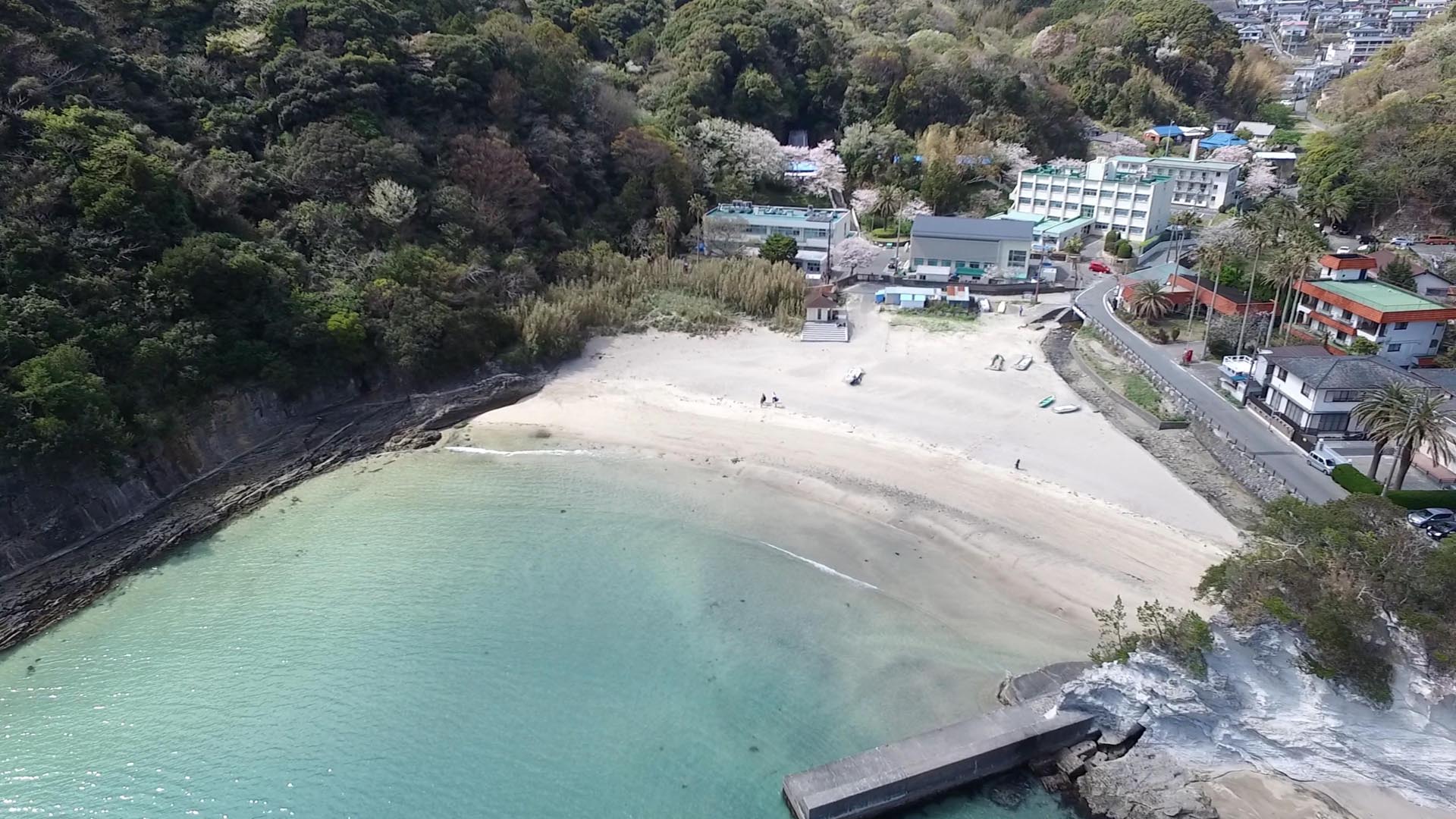
Shimoda Marine Research Center
See our Latest NewsResearch, Education and Outreach
-
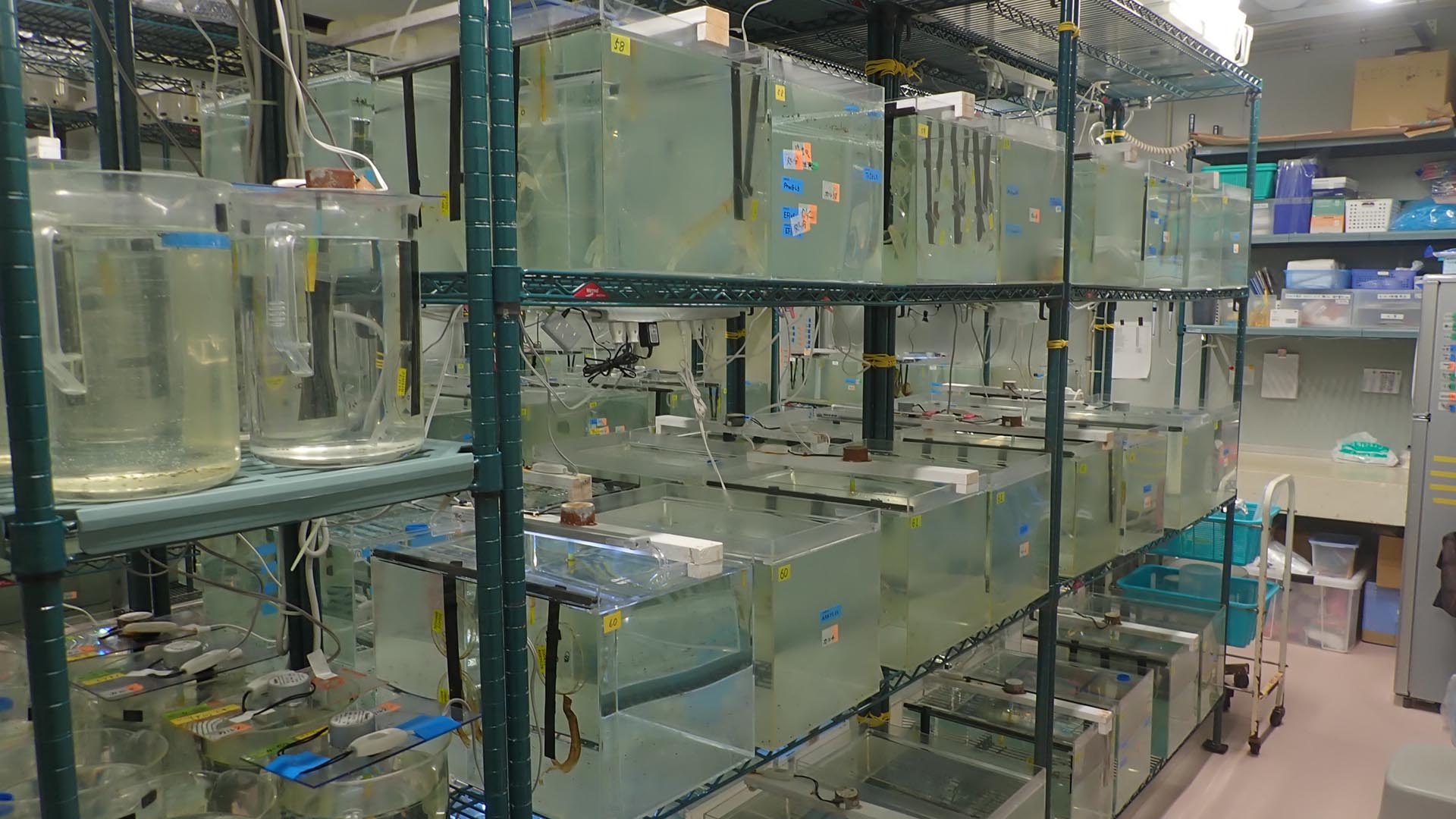
Basic Biology Research
Meet our Marine Molecular Biology GroupsMolecular mechanisms
-
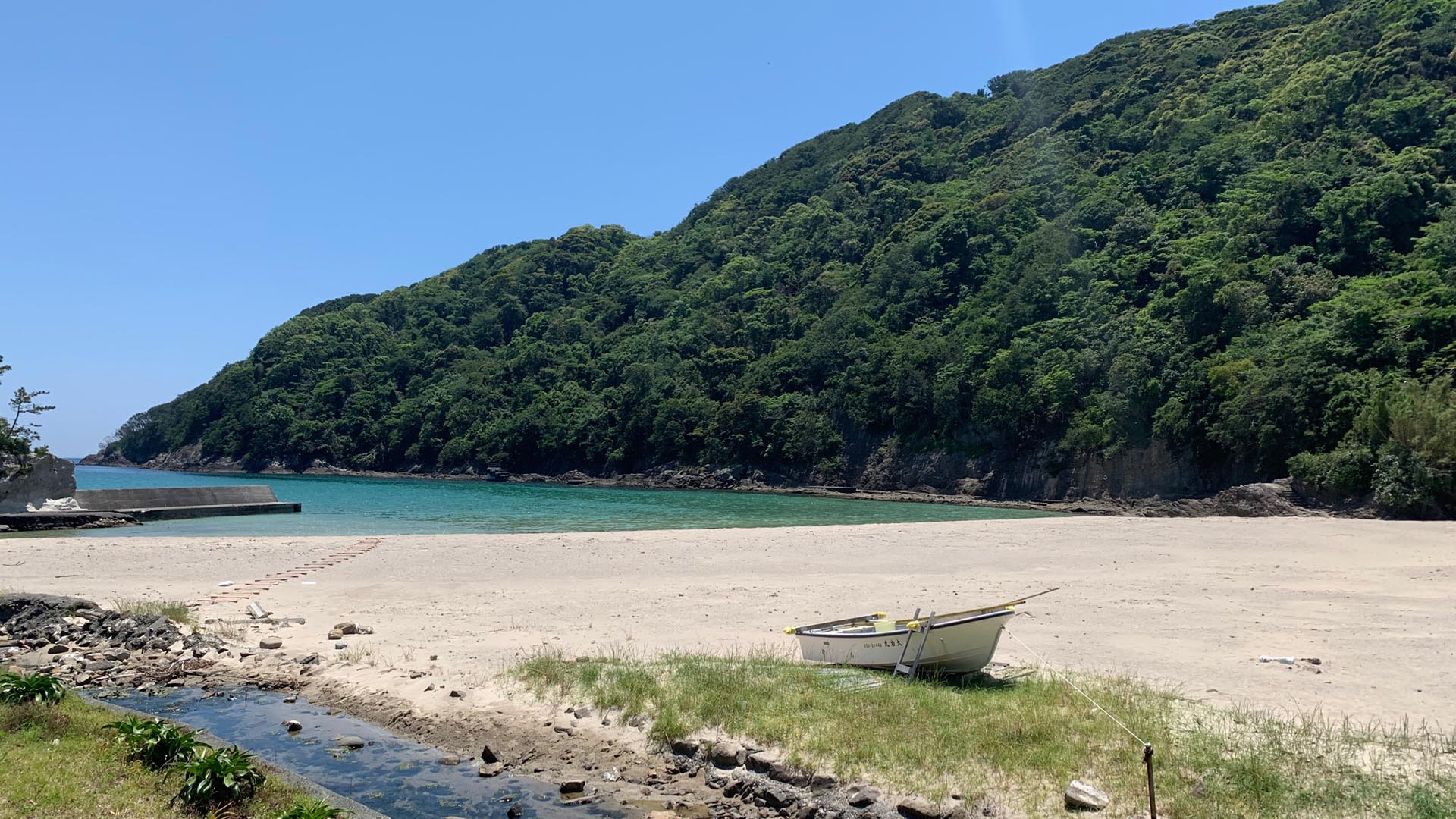
Ecological Research
Meet our Marine Ecology GroupsCommunities and Ecosystems
-
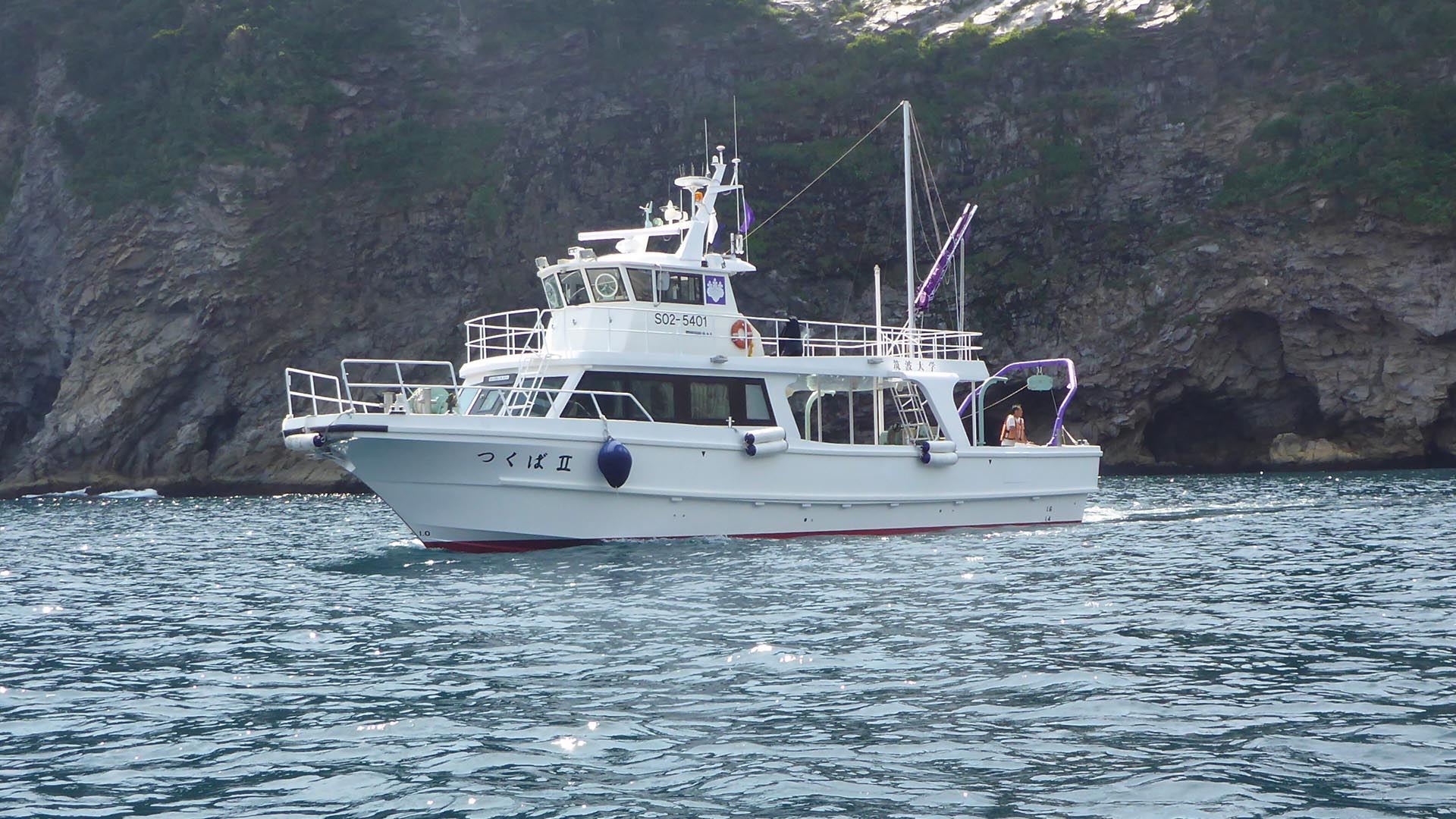
Field Research
Learn More about our facilitiesCoastal Research Vessels
-
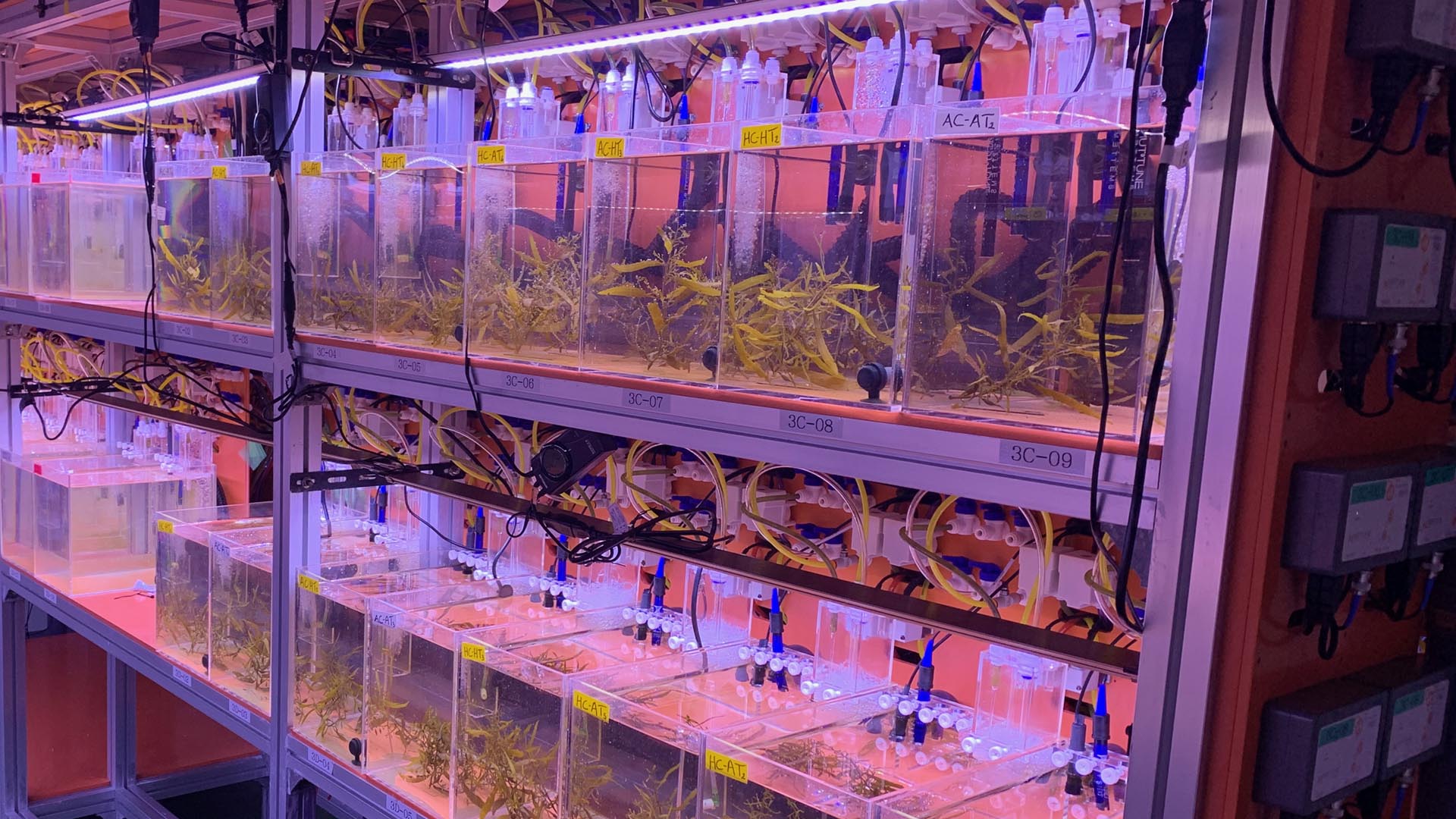
Climate Change Experimental Research
Learn More about our facilitiesState-of-the-art Incubation System
Latest News
- May 13 2026
New Publication
Assistant Professor Ben Harvey at our center co-authored a study published in Journal of Animal Ecology examining how climate change affects shoaling behaviour in reef fish. The study found that ocean acidification can simplify reef habitats, reducing fish densities and limiting the formation of larger shoals.
→ Ocean acidification, more than warming or heatwaves, constrains shoaling behaviour in a range-extending fish through habitat simplification

- May 1 2026
Open Fieldcourse
The Shimoda Marine Research Center of the University of Tsukuba will hold an open fieldcourse "Marine Ecological Environmental Science" for graduate students from October 5th (Monday) to October 8th (Thursday). If you wish to take the course, please send the required documents to the Graduate School of Education, Life and Environmental Area Support Office, University of Tsukuba by the deadline (July 24th).
→ Required documents can be downloaded from here
- April 28 2026
Open Fieldcourse
Shimoda Marine Research Center, University of Tsukuba will hold an open field course "Biodiversity and Ecology of the Izu Peninsula Coast" for 2nd to 4th year undergraduate students from August 3rd (Monday) to August 7th (Friday). If you wish to take the course, please send the required documents by June 15th.
→ Required documents can be downloaded from here
- March 3 2026
New Publication
Assistant Professor Ben Harvey at our center co-authored a study published in Molecular Ecology examining how climate change stressors influence reef fish gut microbiomes. The study found that the tropical species Abudefduf vaigiensis experienced simplified gut microbiomes and increased opportunistic bacteria under warmer and more extreme conditions, while the subtropical species Microcanthus strigatus showed a different restructuring pattern. These results suggest that climate-driven changes in microbiomes may alter host–microbe relationships in reef fishes in future oceans.
→ Marine Heatwaves, Ocean Warming and Acidification Reshape Reef Fish Gut Microbiomes

- February 19 2026
New Publication
Assistant Professor Ben Harvey at our center co-authored a study published in Nature Reviews Earth & Environment examining whether coral reef structures can persist into the twenty-first century under climate change. The article synthesises evidence on carbonate production and erosion processes, highlighting how warming and acidification-driven coral loss may fundamentally alter future reef growth and structural stability.
→ Persistence of coral reef structures into the twenty-first century

- February 17 2026
New Publication
Assistant Professor Ben Harvey at our center co-authored a study published in Global Ecology and Biogeography investigating how intertidal rock pools influence biodiversity across latitudes. The findings reveal that rock pools can function either as micro-refuges buffering environmental stress or as ecological traps, depending on geographic and climatic context.
→ Micro-Refuges or Ecological Traps: Context-Dependent Effects of Rock Pools on Intertidal Biodiversity Across Latitudes

- February 14 2026
New Publication
Assistant Professor Ben Harvey at our center co-authored a study published in Journal of Environmental Research examining how the geographic distribution of mariculture species shapes responses to thermal variability. The research shows that growth performance and thermal resilience differ depending on species’ climatic origins, with important implications for aquaculture sustainability under increasing climate variability.
→ Geographic distribution of mariculture species determines the impacts of thermal variability on growth performance and thermal resilience

- February 11 2026
New Publication
Assistant Professor Ben Harvey at our center co-authored a study showing that ocean warming can shift competitive dominance on temperate reefs. The team found that warming enhances the foraging performance of range-extending warm-water fish, allowing them to outcompete cool-water species, while marine heatwaves and strong acidification had limited effects. These findings were published in Ecology.
→ Range-extending fish become competitive dominants under ocean warming but not heatwaves or acidification

- December 25 2025
New Publication
A team led by Prof. Kazuo Inaba at the Shimoda Marine Research Center discovered a photophobic response in the apusomonad Podomonas kaiyoae, a key unicellular organism for understanding eukaryotic evolution. These findings were published in Communications Biology.
→ The photophobic response in the apusomonad Podomonas kaiyoae is mediated by coordination of cilia and actin filaments

- December 25 2025
Revision of the Tsukuba II usage fee
We would like to inform you that the usage fee for the research vessel Tsukuba II, owned by our center, will be revised from 6,000 yen per hour to 10,000 yen per hour from April 1, 2026 due to rising fuel costs and other reasons. Please note that the usage fee for Tsukuba II will be changed on this website from April 1, 2026 onwards, as it will remain 6,000 yen per hour until March 31, 2026.
2025/12/25
University of Tsukuba, Shimoda Marine Research Center